Plant vs. Animal Protein: What Older Adults Need to Know
Why protein matters more with age
Older adults naturally begin to lose muscle mass and strength. This loss can affect balance, mobility, and independence. Research shows that adequate protein intake, along with resistance exercise such as lifting weights, helps preserve muscle and daily function.
Protein also supports immune health, wound healing, and overall resilience. For older adults, meeting protein needs is not just about fitness. It is about maintaining quality of life.
Plant protein vs. animal protein: What is the difference?
Protein can come from many sources. Plants, meats, eggs, dairy, and ultra-processed options such as protein bars, shakes, and even some coffees are options for protein. But does it really matter where your protein comes from?
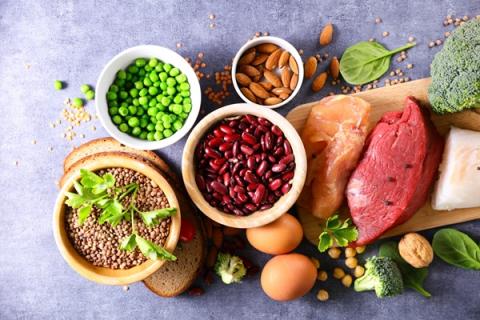
Animal proteins include meat, poultry, fish, dairy, and eggs. Protein products that are made with whey are also animal products. Whey is a byproduct of cheese and yogurt making. These are considered complete proteins because they contain all essential amino acids in proportions that are easily used by the body.
Plant proteins include beans, lentils, tofu, tempeh, nuts, seeds, and whole grains. Some plant proteins contain lower amounts of certain amino acids. However, eating a variety of plant foods throughout the day provides all essential amino acids the body needs.
The difference is not simply about amino acids. It is also about what comes packaged with the protein.
What the research says
Recent studies offer a nuanced picture:
Muscle and strength: Animal protein may build muscle slightly more efficiently, especially in younger adults. However, studies show that older adults can maintain muscle and strength with plant protein, too. They just may have to eat more or choose meals more carefully. Getting enough protein often matters more than where it comes from.
Longevity and chronic disease: Studies following large groups of adults have found that people who eat more plant protein tend to live longer and show signs of slower biological aging. In older adults with chronic health conditions, higher plant protein intake has been linked to a lower risk of death.
Diets high in red and processed meats (such as deli meats) have been linked to higher rates of heart and kidney disease. Replacing some of these meats with plant protein has been associated with better long-term health.
Nutrition: Eating more plant protein adds fiber, antioxidants, and nutrients that support gut health, cholesterol, and blood sugar. Animal protein has nutrients such as B12 and heme iron, which people who are strictly plant eaters might be deficient in.
Not all protein is equally healthy. Highly processed meat, such as jerkies and plant-based alternatives, can be high in sodium, additives, or sugar.
Thankfully, a healthy diet is not all or nothing. Animal protein is a great source of amino acids. Plant protein benefits heart health, metabolic health, and longevity as well as some nutrients not found in meat.
For most adults, a balanced plate offers the best of both worlds. Try building your plate as follows:
- Half the plate vegetables
- One quarter protein, which can include plant sources, animal sources, or a combination of both
- One quarter whole grains
- Add healthy fats such as olive oil, nuts, or avocado
Balance does not require completely eliminating meat. It may simply mean shifting the proportion and adding more vegetables into your meals. Focusing on protein quality and variety can help preserve strength, support overall health, and keep daily life easier and more independent.
This article is not intended to replace the advice of your health care provider. Consult a doctor or nutritionist on the best diet for your health.